The interim government should have equal 53 percent of voters in Bangladesh, who thinks that 53 percent of voters in Bangladesh should be equal to two years or less. This information has emerged from the North South University (NSU) South Asian Institute of Policy and Governance (SIPG).
Today, Wednesday (October 2), this information was published at the National Press Club's results release at the National Survey of the National Survey-2024: Expectations of Citizens from the Interim Government of Bangladesh.
According to the survey results, the survey participants expressed their satisfaction with the current state of the interim government, especially in August and September, they praised their flood management.
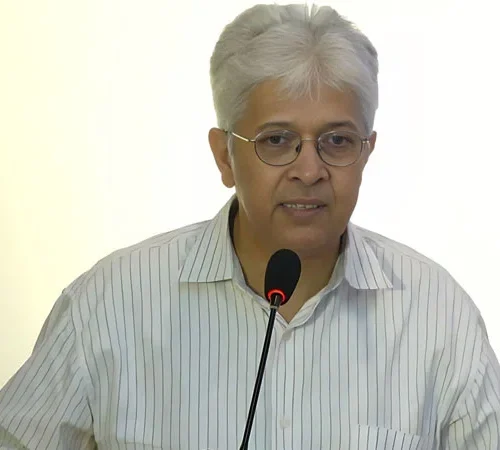
Badiul Alam Majumdar said about the reforms and elections, ‘In the light of our experience, in the light of our experience, in the light of outside experience and discussion with various stakeholders, we will recommend the government, what changes the constitution is needed to the institutions that are involved with the electoral system. Besides us, other reform commissions will recommend that the government will discuss with the political parties. After that, a roadmap and election will be fixed.’
Professor Salahuddin M Aminuzzaman said, ‘97 percent of the people have confidence in the current government. As a result, this government will have to stay for at least two years. The government should understand that they have the opportunity to reform, especially in health, education, especially in health, education, and the health of the people.’ And reforms should be brought in the law and order forces.’
Prof. Navin Murshid said, ‘People have skyrocketing expectations of the current government. Due to this expectation, the government's power is also high. If we do not take action to control other crimes including lynching, violence against women, people will lose confidence.’ He urged to take action in the regulation of commodity prices.
It is a survey of 17 districts of the country from September 9 to 1,869. It is the first ever-representative survey of the country.